Sign in to Fortress OS
Five habits separate good property managers from great ones. Respond fast to tenants and owners. Use software that connects accounting, leasing, and CRM. Keep a steady maintenance schedule. Build a network of contractors you trust. And train your team well. Do those five things consistently and vacancies drop while owners stay happy.
Key takeaways
Proactive, prompt communication with tenants and owners protects satisfaction and prevents surprise costs before they spiral.
Property software that ties accounting, leasing, and CRM together cuts repetitive tasks and raises the quality of the tenant experience.
A consistent maintenance schedule with regular inspections and reliable contractors keeps properties in good shape year-round.
A trusted contractor network means faster help during repairs, renovations, and emergencies when time and cost both matter.
Training every employee, from maintenance staff to leasing professionals, reduces errors and the time spent fixing them.
As a property manager, taking a strategic and service-oriented approach is essential for success in the industry. Beyond just managing the physical aspects of a property, understanding your market, tenants, and property owner's goals is crucial to providing maximum business growth and development.
Highlighted below are five effective strategies to ensure your property management success.
1. Effective Communication
Maintaining open and timely communication with tenants and property owners is vital to community satisfaction. Poor communication can ultimately lead to tenant dissatisfaction and unexpected expenses for owners. Don't wait! Proactively reach out and respond promptly to all tenant inquiries or concerns. Furthermore, clearly and promptly provide all stakeholders with information about property-related matters.
2. Embrace Technology
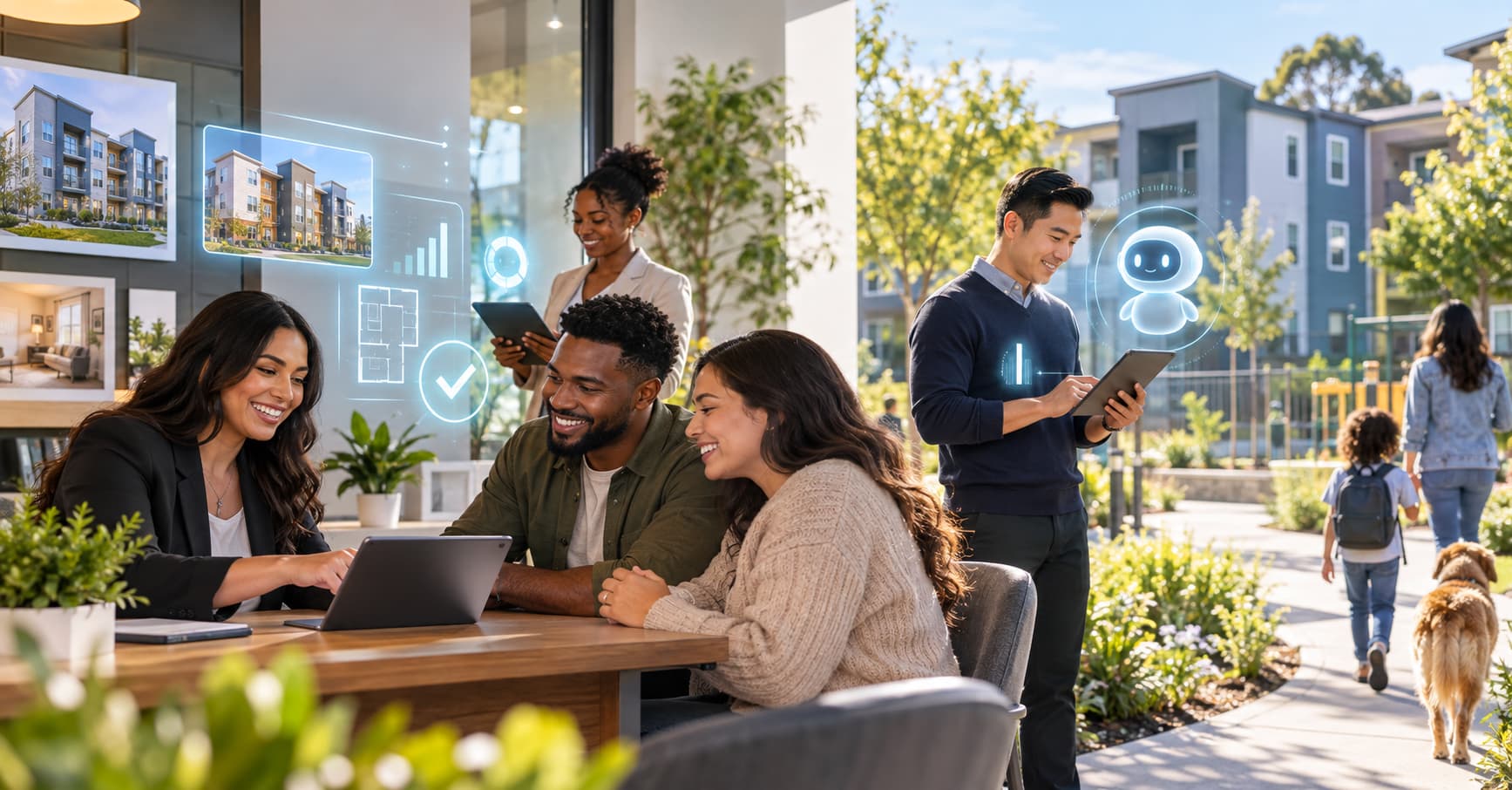
Tenants love convenience. Leveraging technology can enhance comfort and increase tenant fulfillment. Consider investing in smart home features, upgrading appliances, and offering online rent payment options and maintenance requests through a tenant portal. Utilize online platforms, forums, or listing services to actively market and promote properties and events.
And most importantly, implement property management software that integrates accounting, leasing, and CRM functions to streamline processes, automate tasks, and improve overall efficiency. Intuitive and comprehensive software solutions, such as Fortress Proptech, are explicitly designed to simplify property management workflows' time-consuming and repetitive tasks, leading to optimized operations and enhanced tenant experiences.
3. Maintenance and Upkeep
The last thing tenants want is a home in shambles, so developing a consistent maintenance and upkeep schedule for each property is critical. Conduct regular inspections, quickly address repairs, and ensure the interior and exterior, including pest prevention and landscaping, are well-maintained. Establish partnerships with reliable contractors, repair professionals, and local service providers to ensure timely and efficient property maintenance.
4. Network Building
Maintain a network of trusted professionals, including contractors and repair specialists. Regularly compare services and prices and foster relationships for reliable assistance during repairs, renovations, or emergencies. Networking also extends to tenant and landlord relationships, promoting connections that have the potential to generate referrals and unlock new business opportunities.
5. Employee Training
Invest time in training all employees and setting them up for success. Providing comprehensive training from the maintenance staff to leasing professionals ensures competence and independent work. Equipping employees with the necessary skills and knowledge to effectively perform their work establishes a foundation for your property's success by minimizing errors and time-consuming corrections.
Incorporating these best practices will allow you to cultivate an empowered approach that addresses the needs of tenants and property owners while placing the overall success of your business at the forefront. By maintaining strong relationships, ensuring effective communication, and leveraging cutting-edge technology, you can elevate tenant satisfaction, improve efficiency while minimizing vacancy rates, and establish yourself as a trusted community resource.
Built by operators, for operators. Posts under this byline are written and reviewed by the team.
Frequently asked questions
Quick answers to what people ask about this topic. Still curious? Talk to our team.
Contact UsWhat are the best practices in property management?
Five practices stand out. Keep communication open and timely with tenants and owners. Use property management software that connects accounting, leasing, and CRM in one place. Follow a steady maintenance and inspection schedule. Build a network of trusted contractors. And invest in training every employee. Together these reduce vacancy, cut errors, and keep owners and tenants satisfied.
Why is communication important in property management?
Poor communication is one of the fastest ways to lose a tenant or frustrate an owner. Problems get bigger when they go unaddressed. The fix is simple: reach out before residents have to ask, respond to questions quickly, and give all stakeholders clear updates on anything that affects their property.
How does technology help property managers?
Technology removes busywork for staff and adds convenience for tenants. Online rent payments, maintenance request portals, and smart home features all lift tenant satisfaction. Property management software that connects accounting, leasing, and CRM automates repetitive tasks so teams spend less time on manual work and more time on things that actually need their attention.
How often should rental properties be maintained?
Set a consistent schedule and stick to it. Conduct regular inspections, address repairs quickly, and keep the interior and exterior in good shape, including pest prevention and landscaping. Partnering with reliable contractors and local service providers helps you handle repairs on time rather than scrambling when something breaks.
Why is networking important for property managers?
A network of trusted contractors and repair specialists gives you reliable help when repairs, renovations, or emergencies come up. Comparing services and prices regularly keeps costs in check. Networking also covers tenant and landlord relationships, which can generate referrals and open new business without any additional marketing spend.
Why is employee training important in property management?
When maintenance staff and leasing professionals have the right skills, they make fewer errors and need fewer time-consuming corrections. That builds a solid foundation and frees managers from constant fixes. Training is not a one-time event. It is the reason your team can work competently and independently without checking in on every task.