As property portfolios grow, basic property management software that once felt sufficient often starts to create friction.
What worked for a handful of properties can quickly become limiting at scale. Processes take longer, visibility decreases and teams spend more time working around the system than working within it.
Outgrowing your software doesn’t usually happen all at once, it shows up in small inefficiencies that compound over time and impact how your operations run day to day.
Here are ten signs your current system may be holding your team back:
1. You’re Managing Each Property in Isolation
If your team has to switch between systems or views to understand what’s happening across properties, you’re missing a centralized operational view.
As portfolios grow, managing properties individually becomes inefficient. Teams need centralized property operations that allow them to oversee performance, activity and risk across the entire portfolio in one place.
2. Reporting Takes Too Long or Feels Incomplete
When reports require manual pulls, exports, or workarounds, it slows down decision-making.
Leaders need real-time portfolio data and analytics, not static reports that are outdated by the time they’re reviewed.
3. Compliance Processes Are Manual and Risk-Prone
In affordable housing, compliance isn’t optional. Managing affordable housing compliance through manual processes increases the risk of errors and inconsistencies.
When compliance workflows rely on spreadsheets or disconnected systems, it becomes harder to stay audit-ready and maintain confidence in your data.
4. Your Team Is Doing Work Outside the System
When staff rely on email, spreadsheets, or side systems to complete core tasks, it’s a sign your platform isn’t supporting real workflows.
Over time, this creates fragmented operations and limits visibility across teams.
5. Leasing Workflows Lack Consistency
If application processes, document handling, or approvals vary by property, it leads to delays and inconsistent experiences.
Standardized, system-driven workflows are essential for maintaining both efficiency and compliance across your portfolio.
6. Maintenance Management Feels Disconnected
When work orders, updates and communication aren’t centralized, it becomes harder to track progress and respond quickly.
Leasing and maintenance management should live within the same system, not across disconnected tools.
7. You Don’t Have Real Visibility Into Portfolio Performance
If it’s difficult to quickly understand occupancy, lease activity, or operational trends, decision-making slows down.
Portfolio-level visibility should be immediate, giving teams the insights they need without additional effort.
8. Scaling Requires More Manual Work, Not Less
Growth should improve efficiency, not increase workload.
If adding new properties means adding more manual processes, your system isn’t built to scale with your operations.
9. Updates and Changes Take Too Long
Whether it’s updating documents, workflows, or reports, delays in making changes create operational bottlenecks.
Teams need the ability to make updates in real time without relying on external support.
10. Your Software Supports Tasks, Not Operations
Basic systems often focus on individual tasks rather than how everything connects.
As organizations grow, they need a platform that supports centralized property operations, integrates workflows and provides a strong foundation for reporting and financial management across the entire portfolio.
What Comes Next
Recognizing these signs is the first step.
The next is moving to a system designed for how modern property teams actually operate, one that connects workflows, centralizes data and supports growth without adding complexity.
This is where a property management operating system for growing portfolios becomes essential.
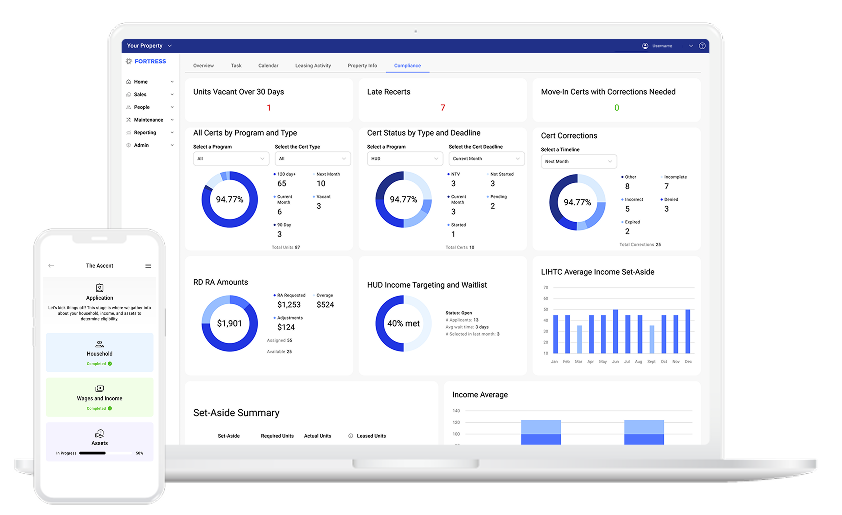
Fortress OS is a property management operating system built to solve these challenges by bringing together centralized property operations, real-time reporting, compliance automation, and integrated leasing and maintenance management into a single platform.
A modern platform should do more than help you manage tasks, it should give your team the structure, visibility and flexibility needed to operate efficiently at scale.