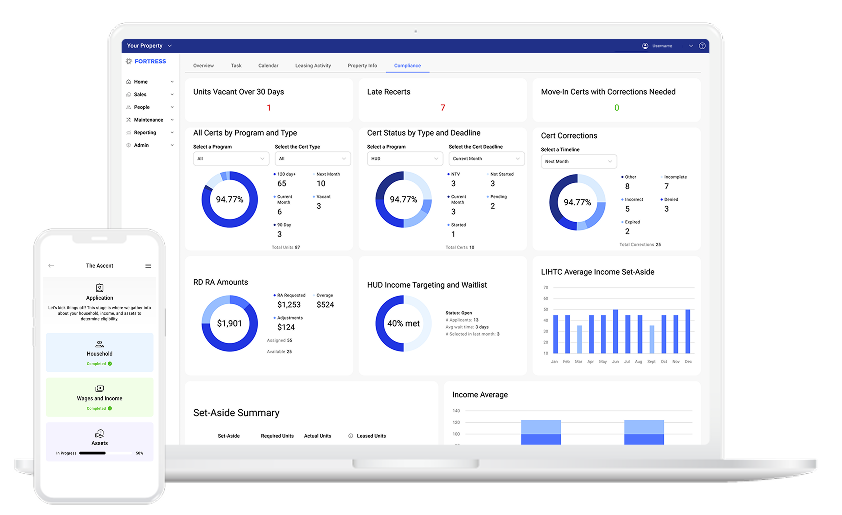
Comparing lease tracking software and lease management software. Learn the key differences, features, and what property teams should actually look for.
Lease tracking software helps property teams monitor lease dates, expirations, renewals, and documents. Lease management software goes further by supporting the entire leasing process, including applications, approvals, document management, communication, reporting, and ongoing lease administration. If your team is managing leases across spreadsheets, email threads, and multiple systems, lease management software is often the better long-term investment.
Introduction
If you're searching for lease tracking software, you're probably trying to solve a visibility problem.
Maybe lease expirations are slipping through the cracks. Maybe renewal dates live in spreadsheets. Maybe your team spends too much time searching for documents, emails, and lease details.
The challenge is that many organizations start looking for lease tracking software when what they really need is leasing management software that supports the entire lease lifecycle.
Here's the thing. Tracking a lease and managing a lease are not the same thing. A spreadsheet can track lease dates, but that doesn't make it a lease management system.
Key Takeaways
- Lease tracking software focuses on visibility into lease data and important dates.
- Lease management software supports the full lease lifecycle.
- Growing portfolios often outgrow basic tracking tools.
- Centralized workflows reduce manual work and improve consistency.
- The right platform should help teams take action, not just store information.
What Is Lease Tracking Software?
Lease tracking software is designed to help organizations monitor lease-related information and maintain visibility into important lease activity.
At its core, lease tracking software helps teams keep track of lease start dates, lease end dates, renewal deadlines, rent schedules, tenant information, lease documents, and other critical milestones. The primary goal is awareness. Property teams use these systems to avoid missed deadlines, maintain organized records, and create a central source for lease information.
For smaller portfolios, that may be enough. If your primary concern is knowing when leases expire or renew, a tracking solution can provide value without introducing additional complexity.
What Is Lease Management Software?
Lease management software supports the entire leasing process, not just lease tracking.
While lease tracking focuses on information, lease management focuses on workflows. A lease management platform typically includes online applications, lease creation tools, document management, approval workflows, resident communication, reporting, renewal management, compliance processes, and electronic signatures.
Many organizations evaluating leasing management software are looking for a way to standardize these processes across properties and teams. Instead of simply telling your team a lease expires in 90 days, lease management software helps them manage everything that happens before, during, and after that lease term.
That's the real distinction. Knowing a task exists is helpful. Having a system that helps your team complete the task is far more valuable.
What's the Difference Between Lease Tracking and Lease Management?
The simplest way to think about it is this:
| Lease Tracking Software | Lease Management Software |
|---|---|
| Tracks lease data | Manages lease workflows |
| Stores documents | Organizes document processes |
| Monitors deadlines | Supports renewals and approvals |
| Provides visibility | Supports action and execution |
| Focuses on records | Focuses on operations |
Both serve a purpose, and many organizations start with a tracking solution before eventually moving to a more complete management platform.
The question is whether your organization needs visibility, workflow management, or both. As leasing activity increases and portfolios grow, many teams discover that tracking information alone is no longer enough. They need a system that helps manage the work surrounding each lease, not just monitor important dates.
When Is Lease Tracking Software Enough?
Lease tracking software may be sufficient if your portfolio is relatively simple and your workflows are already well organized.
This approach often works well when portfolio sizes are smaller, leasing activity is predictable, teams operate from a single location, and compliance requirements are limited. In these situations, the primary challenge is keeping lease information organized and accessible.
A tracking platform can provide that visibility without introducing additional processes. If your current system already supports your workflows effectively and your team isn't relying on workarounds to get things done, there may be no reason to make a change.
Not every organization needs new software, and that's worth saying.
When Do Property Teams Need Lease Management Software?
Lease management software becomes more valuable as operational complexity increases.
As portfolios grow, lease administration rarely stays confined to one person or one department. Leasing teams, property managers, compliance staff, regional managers, and accounting teams all need access to the same information, which means the challenge quickly shifts from tracking lease data to coordinating the work surrounding it.
You may benefit from lease management software when multiple teams interact with lease data, lease documents are stored in different locations, renewals require manual follow-up, reporting depends on spreadsheets, approval processes vary by property, or compliance requirements affect leasing workflows.
The real problem is rarely the lease itself. It's everything connected to it. Documents, approvals, communication, reporting, renewals, and compliance all create additional work, and those processes become much harder to manage when they're spread across multiple systems.
That's where lease management software creates value.
How Does Lease Management Software Improve Leasing Operations?
The biggest advantage of lease management software is consistency.
Without a centralized system, leasing processes often vary from property to property. One team may follow a documented process while another relies on email, and someone else may be maintaining a spreadsheet nobody fully understands after they leave the company. (We've all met that spreadsheet.)
As portfolios grow, those differences become harder to manage. What worked for one property can quickly create confusion across ten or twenty.
Lease management software helps create standardized workflows that improve visibility and reduce manual work. Online leasing platforms can collect documents, route approvals, track application progress, and maintain a complete record of activity in one location.
Instead of asking who has the latest version of a document or where an application stands, teams can work from a single system of record. That creates a much more reliable process for both staff and applicants.
What Should You Look for in Real Estate Lease Management Software?
The best real estate lease management software should support the way your team actually works.
When evaluating platforms, look beyond feature lists and focus on daily workflows. A lot of property management software is built for demos, not daily work. It looks clean during a presentation, then your team needs multiple clicks, manual exports, and side spreadsheets to complete routine tasks.
Shop the boring screens, not the pretty dashboard.
When evaluating real estate lease management software, look for:
- Centralized document management
- Workflow automation for approvals and renewals
- Real-time reporting and portfolio visibility
- Resident and applicant communication tools
- Compliance support built into leasing workflows
- Mobile access for onsite teams
For affordable housing operators, compliance requirements should be part of those workflows rather than separate processes. Affordable housing software should not treat compliance as an afterthought. Recertifications, file reviews, income calculations, and document collection are part of normal operations, not add-ons.
Does Commercial Real Estate Need Different Lease Software?
In some cases, yes.
Teams evaluating commercial lease software or commercial real estate leasing software often have requirements that differ from traditional multifamily operations. Commercial leases may involve more complex lease structures, rent escalations, renewal terms, and portfolio reporting requirements that aren't common in residential portfolios.
That said, the core question remains the same.
Are you simply tracking leases, or are you managing the workflows surrounding them?
Whether you're evaluating commercial lease software, multifamily leasing platforms, or affordable housing systems, the goal should be to create a reliable system of record that helps teams complete work more efficiently. The software category may change, but the operational challenge usually doesn't.
Should You Replace Your Current Lease Tracking System?
Maybe.
If your current solution provides visibility into lease activity and your workflows are running smoothly, there may be no reason to switch.
If your team relies heavily on side spreadsheets, manual reminders, disconnected systems, and email chains to manage leasing activity, it may be time to evaluate other options. The goal isn't to buy software with more features. The goal is to solve a specific operational problem.
Before making a change, take a hard look at your current processes. If your team is spending more time managing workarounds than managing leases, that's usually a sign that you've outgrown your current system.
Frequently Asked Questions
What is lease tracking software?
Lease tracking software helps organizations monitor lease dates, renewals, documents, rent schedules, and other lease-related information. Its primary purpose is visibility and organization.
What is lease management software?
Lease management software supports the full lease lifecycle, including applications, approvals, document management, communication, reporting, and renewals.
What is the difference between lease tracking software and lease management software?
Lease tracking software focuses on monitoring lease information, while lease management software supports the workflows and processes surrounding lease administration.
What is the best real estate lease management software?
The best real estate lease management software helps teams manage the full lease lifecycle, including applications, approvals, reporting, communication, document management, and renewals. The right solution depends on your portfolio size, operational complexity, and compliance requirements.
Is lease tracking software enough for growing portfolios?
It depends on the complexity of your operation. Many growing portfolios eventually need workflow management, reporting, communication tools, and leasing management software in addition to basic lease tracking capabilities.
If lease tracking is starting to feel like spreadsheet management instead of system management, it may be time to rethink the tools behind it.
See how teams are managing leases in one system. Schedule a demo to see Fortress OS in action.