Bringing Meaning Back to the Buzzword
If you’ve been on LinkedIn, attended a webinar, or walked a multifamily conference floor recently, you have heard one word everywhere: centralization.
It shows up in panel discussions, vendor conversations, and industry predictions about the future of property management. But for all the attention it gets, centralization is still widely misunderstood. What does it actually mean, and why does it matter?
Centralization Starts With Consistency
For years, multifamily operations have been built around individual properties or regions operating with a high level of independence. That model gave site teams flexibility, but it also created inconsistent processes, fragmented reporting, and varying resident experiences across portfolios.
When every property relies on different workflows, vendors, or tools, scaling becomes difficult. Teams solve the same problems in different ways. Reporting becomes harder to trust. Operational visibility becomes limited.
Centralization represents a shift away from that disconnected model. Instead of every property managing every function independently, certain responsibilities move to specialized teams that support the entire organization. The goal is simple: reduce administrative pressure on-site so property teams can focus on residents and community performance.
This shift is already taking shape across leasing, renewals, maintenance coordination, compliance, and collections. When these functions are supported by centralized expertise, organizations gain consistency, efficiency, and stronger portfolio-wide performance.
The Operational Impact of Centralization
For on-site teams, centralization creates space to focus on work that directly impacts residents. Instead of balancing administrative tasks alongside daily property operations, teams can spend more time leading tours, solving resident concerns, and strengthening community engagement.
Centralized teams benefit from this model as well. Specialization allows team members to develop deeper expertise in areas like compliance, renewals, or collections. That focus often leads to stronger outcomes, clearer career growth opportunities, and higher employee engagement.
The old model asked property teams to manage everything. The new model places responsibilities where they can be handled most effectively.
Technology Makes Centralization Possible
Centralization cannot succeed without technology that supports it. The strategy depends on systems that connect data, workflows, and communication across multiple properties without adding complexity.
Technology is not a replacement for strong teams or thoughtful processes; it’s the foundation that allows them to operate efficiently and at scale.
Modern cloud-based platforms allow organizations to manage operations from a centralized hub while maintaining visibility at the property level. Reliable data becomes non-negotiable. Systems must sync in real time so centralized teams and site-level staff are always working from the same information.
With the right technology in place, operators can automate routine administrative work, generate reports without manual effort, and access portfolio-wide insights instantly. Compliance accuracy improves when documentation and resident histories live in one connected system. Decision-making becomes faster and more confident when data is consistent and accessible.
Software should be a tool that simplifies operations, not an obstacle teams have to work around.
On-Site Teams Become More Impactful, Not Less
One of the biggest misconceptions about centralization is that it reduces the importance of on-site teams. In reality, it elevates their role.
When centralized teams manage high-volume administrative responsibilities like renewals or collections, property teams gain more time to respond to resident needs, oversee property performance, and build stronger community relationships.
The resident experience improves when on-site teams are not overwhelmed by paperwork, manual reporting, and disconnected systems. At the same time, centralized roles create new professional pathways by allowing team members to specialize in operational areas that align with their strengths.
Stronger role clarity often leads to more engaged teams and more consistent results across an organization.
What Makes Centralization Work
Centralization requires more than shared access to information. Successful strategies depend on systems and processes that keep teams aligned, informed, and accountable.
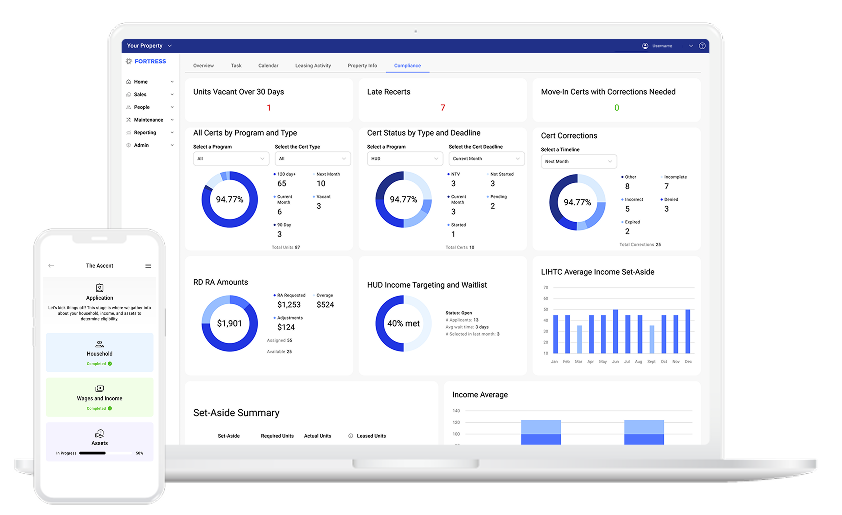
Effective centralization relies on clear handoffs between site and centralized teams so responsibilities move smoothly without lost details. Complete resident and property histories must be easily accessible to eliminate manual tracking and reporting gaps. Portfolio dashboards should provide instant visibility into renewals, certifications, maintenance performance, and collections without requiring teams to manually combine reports.
Most importantly, centralization must connect to measurable outcomes. Organizations need clear performance indicators that align property teams, centralized teams, asset management, and ownership groups around shared goals.
The Old Model Is Dead: Multifamily’s New Approach
Centralization is not a one-size-fits-all strategy. Every operator will approach it differently based on portfolio size, organizational structure, and company culture. But one thing is becoming increasingly clear. The traditional model, where each property operates largely in isolation, is no longer sustainable.
Rising operational complexity, staffing challenges, and growing compliance demands require a more connected and scalable approach. Organizations can no longer rely on disconnected workflows and inconsistent processes if they want to remain competitive and efficient.
True innovation happens when operators combine strong, repeatable processes with flexible, modern technology. Centralization done right creates consistency across portfolios, strengthens team performance, and allows property teams to focus more energy on residents and community success.
At Fortress OS, we believe centralization works best when operations, compliance, and resident data live in one connected system. By simplifying workflows and improving visibility across portfolios, we help operators support their teams, reduce administrative burden, and create stronger experiences for residents.
The future of multifamily operations is not about removing the human element. It’s about giving teams the tools and structure they need to work smarter, collaborate more effectively, and deliver better outcomes across every property they manage.