
 Sign in to Fortress OS
Part of Affordable Housing Compliance Guide: LIHTC, HUD, USDA and HOTMA
Affordable Housing Is About More Than Roofs, It’s About Preservation
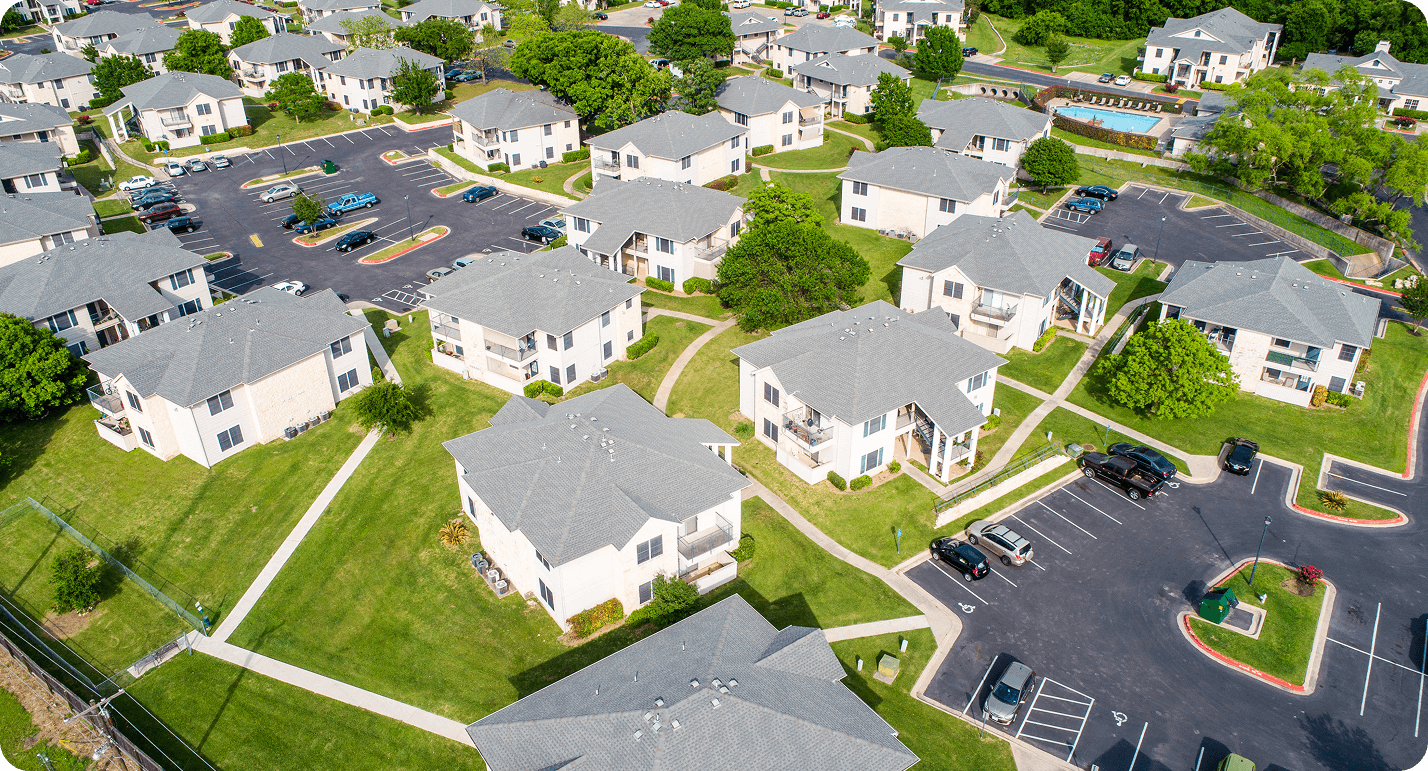
Affordable housing preservation means protecting homes families already live in, not just building new ones. Millions of units are at risk of exiting programs like LIHTC. The U.S. is already short up to 7 million homes for low-income renters. Keeping existing affordable units viable is one of the fastest ways to close that gap.
Key takeaways
The U.S. is short up to 7 million homes for low-income renters, per the NLIHC March 2025 report.
Up to 223,000 LIHTC units could lose affordability within five years, with that number climbing toward 1 million by 2040.
LIHTC funds about 87,000 new affordable units a year, barely keeping pace with units expiring out of the program.
When affordable units exit a program, families lose stable homes and the neighborhoods around them feel the impact.
Technology that simplifies compliance and centralizes data helps owners keep affordable units viable for decades.
Affordable housing isn’t just about building roofs. It’s about preserving homes that real families are counting on today and ensuring that those homes stay affordable for decades to come.
The National Shortage Is Growing
The National Low Income Housing Coalition (NLIHC) reported in March 2025 that the U.S. is short up to 7 million homes for low-income renters. Behind that number are families struggling to find stability, communities losing ground, and operators under increasing pressure to do more with less.
At the same time, thousands of existing units face an uncertain future. A report from The Associated Press highlighted that 223,000 LIHTC units could lose affordability within the next five years, with risk climbing to 350,000 by 2030 and as high as 1 million by 2040.
This creates a dual crisis. Not enough new homes are being built, and too many existing homes are at risk of expiring out of affordability.
LIHTC: Creation vs Preservation
The Low-Income Housing Tax Credit (LIHTC) program remains the single largest driver of affordable housing creation in the United States. According to the Urban Institute, LIHTC financing supports the development of about 87,000 affordable units each year, with roughly 90,000 new allocations made in 2021.
But when you compare this pace of development against the units leaving the program, the math doesn’t add up. We are short millions of homes and the new units being built are barely keeping pace with those expiring.
Without better preservation strategies and smarter tools to make compliance, operations, and financing more manageable for owners, we risk falling further behind.
Why Preservation Matters
Preserving existing LIHTC units isn’t just a financial or regulatory issue. It’s a community issue. Every time an affordable unit exits the program, a family loses access to stable housing. When enough units exit, entire neighborhoods feel the impact.
That is why preservation needs as much attention as new development. Protecting the affordable housing we already have is one of the fastest ways to keep families housed while the industry works to close the larger supply gap.
The Role of Technology in Closing the Gap
Owners and operators need solutions that make it easier and more attractive to preserve affordable housing. That means technology that:
- Simplifies compliance and reduces the administrative burden
- Centralizes data to make portfolio-wide reporting faster and more reliable
- Supports long-term asset management so units stay viable not just today but for decades to come
Affordable Housing Deserves Better
At Fortress OS, we believe affordable housing deserves tools that make both preservation and development possible. Our platform was built specifically to help owners and operators manage compliance, streamline operations, and protect the housing that millions of families rely on.
Because affordable housing isn’t just about roofs. It’s about protecting homes and ensuring communities can thrive.
· Founder & CEO
Scaled a Nashville affordable housing operation, couldn't find a system built for it, so she built one.
Frequently asked questions
Quick answers to what people ask about this topic. Still curious? Talk to our team.
Contact UsWhy does preserving affordable housing matter as much as building new units?
Every unit that exits a program means a family loses stable housing. New construction barely keeps pace with units expiring out of affordability programs. The U.S. is already short up to 7 million homes for low-income renters, so protecting existing affordable homes is one of the fastest ways to keep families housed while the supply gap closes.
How many LIHTC units are at risk of losing affordability?
According to a report cited by The Associated Press, about 223,000 LIHTC units could lose their affordability within the next five years. That risk climbs to roughly 350,000 by 2030 and as high as 1 million by 2040. Preservation needs as much attention as new development.
What is the LIHTC program and how many units does it create?
The Low-Income Housing Tax Credit is the single largest driver of affordable housing creation in the United States. Per the Urban Institute, LIHTC financing supports about 87,000 new affordable units each year, with roughly 90,000 new allocations made in 2021. That pace barely keeps up with units leaving the program.
How big is the affordable housing shortage in the United States?
The National Low Income Housing Coalition reported in March 2025 that the U.S. is short up to 7 million homes for low-income renters. Not enough new homes are being built, and too many existing affordable homes are at risk of expiring out of affordability. That is the real problem.
How can technology help operators preserve affordable housing?
Technology helps operators preserve affordable housing by simplifying compliance and cutting administrative work, centralizing data for faster and more reliable portfolio reporting, and supporting long-term asset management so units stay viable for decades. Better tools make it easier and more attractive for owners to keep existing units affordable.
Why is affordable housing compliance so demanding for operators?
Owners juggle layered rules, income limits, certifications, and file reviews across whole portfolios. When compliance and reporting are slow or manual, preserving units gets harder. Tools built for affordable housing reduce that administrative burden so teams can focus on protecting the homes families depend on.
Related resources
Affordable Housing Property Management Software
Compliance for LIHTC, HUD, RD, and HOME properties, including layered deals.
Online Applications
Standardize applications and cut compliance corrections to keep affordable units leased and viable.
Emerald Housing Case Study
See how an affordable housing operator centralized operations and protected portfolio compliance with Fortress.
Related resources
Affordable Housing Compliance Guide: LIHTC, HUD, USDA and HOTMA
Affordable housing compliance explained: LIHTC, HUD, Section 8, USDA RD and HOTMA dates, what a file review checks, and...
Fortress Compliance
Where eligibility and certification work actually happens.
What's Hot With HOTMA: Key Points for 2027
HOTMA hits HUD Multifamily and most PHAs Jan 1, 2027. See the 2027 asset limit, deductions, new interim rules, and...
Tech as the Backbone of Affordable Housing Resilience
Operational slowdowns can happen even when funding is stable. See why automated workflows and centralized compliance...
Let’s Stop Calling Inertia Compliance
Manual processes in affordable housing often get mistaken for compliance. See why challenging that inertia and...
