
 Sign in to Fortress OS
Part of Maintenance software
Apartment Maintenance Software: Features That Actually Reduce Work Orders
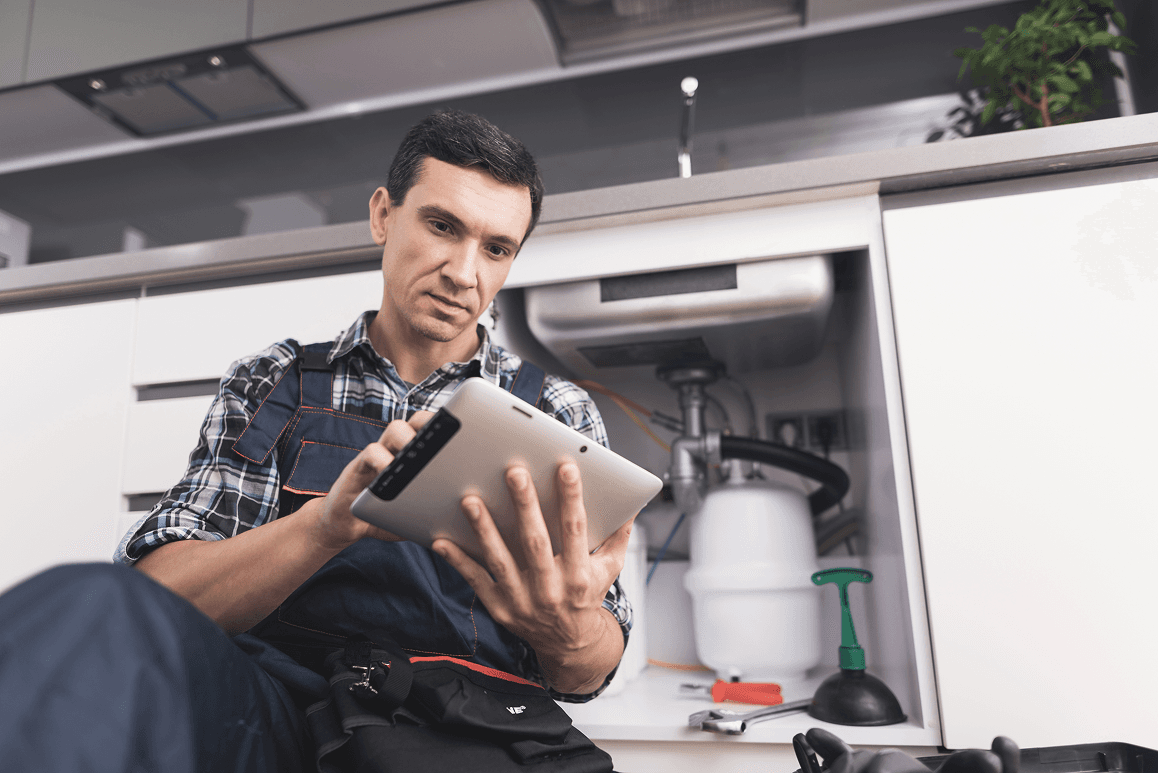
Apartment maintenance software helps property teams manage work orders, inspections, resident requests, and vendor coordination in one connected process. The features that reduce work orders are the ones that remove manual handoffs: automated work order creation, connected inspections, and mobile updates from the field.
Key takeaways
Requests, inspections, work orders, and communication in one system
Fewer manual handoffs, better visibility
Mobile tools for updates where the work happens
Integrations connecting inspections, resident requests, and operations
Reporting that surfaces recurring issues
Learn what to look for in apartment maintenance software, including features that improve workflows, reduce delays, and help teams manage work orders.
Apartment maintenance software helps property teams manage work orders, inspections, resident requests, and maintenance workflows in one connected process. The right platform does more than store completed work orders. It surfaces issues sooner, keeps everyone informed, and strips out the manual tasks that slow maintenance down.
Maintenance teams rarely struggle to find enough work. They struggle to keep requests, inspections, vendors, technicians, and follow-up organized as properties multiply. A single maintenance issue can involve a resident request, an inspection finding, a technician assignment, vendor coordination, status updates, and a final approval. Without a process holding all of that together, small issues turn into delayed repairs, missed tasks, and residents who stop believing the timeline.
What Is Apartment Maintenance Software?
Apartment maintenance software helps property teams run the full maintenance lifecycle, from spotting an issue to closing the repair. Modern platforms go past basic work order tracking and coordinate maintenance activity across residents, technicians, vendors, and property staff. Common capabilities include:
- Work order creation and tracking
- Maintenance request management
- Inspections
- Technician assignments
- Resident communication
- Vendor coordination
- Status updates
- Reporting
The best apartment software programs build a consistent process, so your team knows what happens next, who owns it, and where each request stands. A maintenance system should become the source of truth for the work in flight rather than one more place information gets typed and forgotten.
What Features Should Apartment Maintenance Software Include?
Maintenance platforms solve different problems. A system that only tracks open and closed work orders organizes information without touching the reasons maintenance gets hard to manage. The features that earn their keep cut manual work, keep everyone informed, and help your team move before a small issue turns expensive.
|
Feature |
What it helps solve |
|
Automated work orders |
Cuts manual entry and missed requests |
|
Connected inspections |
Turns findings into assigned tasks |
|
Mobile access |
Lets techs update from the field |
|
Resident communication |
Cuts follow-up calls and status questions |
|
Reporting |
Surfaces trends and recurring issues |
|
Keeps systems connected |
Can Apartment Maintenance Software Automatically Create Work Orders?
Yes, and that is where a lot of delay disappears. Many maintenance holdups start because information lands in one place and someone has to recreate it somewhere else. A resident submits an issue, an inspection flags a problem, a technician gets a note, and then a coordinator retypes all of it into a work order. Details go missing in that gap.
The right apartment maintenance software moves information straight into the correct workflow. When a request comes in or an inspector flags an issue, your team should capture the detail, assign the owner, and track progress with no duplicate entry in between. Less retyping means more of the day spent finishing the work.
How Do Connected Inspections Improve Maintenance Workflows?
Inspections catch maintenance issues while they are still small. The hard part is turning an inspection finding into work someone owns. When inspection information sits apart from maintenance workflows, your team ends up transferring details by hand, which slows the repair and makes completion harder to track.
Fortress integrates with PropUp to connect inspections and resident-submitted issues directly with Fortress Work Orders. Issues identified in PropUp can create and update work orders in Fortress, which removes the manual data entry between the two. PropUp also supports vacancy management and unit turn workflows, so make-ready tasks stay attached to the same record.
Learn more about PropUp: https://www.gopropup.com
Why Do Mobile Tools Matter for Maintenance Teams?
Maintenance work does not happen behind a desk. Technicians and property teams need current information while they are inspecting units, completing repairs, and answering requests. Modern apps for property management keep them connected by letting users:
- View assigned work orders
- Update task status
- Add notes and photos
- Track completion progress
- Send updates
A strong mobile experience removes the lag between finishing a job and recording it. When you evaluate app property management capabilities, ask one question: can the person doing the work update the system without stopping what they are doing? A maintenance platform can look great in a demo, and the real test is whether a tech can close a work order from a hallway, a parking lot, or a mechanical room without a 12-step click maze.
How Does Better Resident Communication Improve Maintenance?
Many maintenance problems are communication problems wearing a tool belt. Residents need a simple way to submit requests, and your team needs enough detail to understand the issue and rank the response. The right maintenance platform helps teams:
- Collect requests
- Share updates
- Track progress
- Confirm completion
A resident who can see where their request stands stops calling the office to ask, which gives your site team back a chunk of every afternoon.
Can Maintenance Software Help With Preventative Maintenance and Unit Turns?
Preventative maintenance lets your team spot recurring issues, schedule routine work, and handle problems while they are still cheap. Unit turns need the same organized treatment, because a make-ready that stalls costs occupancy. Teams need visibility into:
- Vacancy status
- Required repairs
- Make-ready tasks
- Assigned responsibilities
- Completion timelines
Software that carries both the daily request queue and the planned work gives your team the whole picture in one screen.
How Does Reporting Help Maintenance Teams Improve?
A list of completed work orders tells a maintenance director very little. Useful reporting covers:
- Aging work orders
- Average completion times
- Recurring issues
- Vendor performance
- Team workload
Reporting exists to show where the process breaks, and it should answer the questions your team already argues about. Why do certain repairs take longer at one property than another? Is the same unit generating the same ticket every quarter? Does the team have the people and parts to hit the timelines you promised residents?
Why Do Maintenance Integrations Matter?
Maintenance sits alongside resident communication, inspections, leasing activity, payments, and everything else your team runs in a day, which is why integrations belong in the evaluation. The strongest technology environments let separate systems work together while each one focuses on what it does best. An inspection platform can specialize in field inspections while a property management platform manages work orders, permissions, reporting, and the broader operation. Connecting them removes duplicate work and keeps the records honest.
How Fortress OS Supports Maintenance Operations
Fortress OS connects requests, inspections, work orders, and operational data in one platform, so maintenance activity moves through structured workflows with clear accountability instead of manual handoffs between tools. Fortress helps teams:
- Manage work orders
- Track maintenance activity
- Connect operational data
- See across properties
As the only property management software built affordable-first, Fortress OS runs maintenance alongside the compliance work an affordable portfolio carries every day. Whether your properties run LIHTC, HUD, RD, HOME, conventional, or a blend, an inspection finding and a recertification deadline live in the same system instead of two. With integrations like PropUp, inspection results, resident requests, and work order management connect end to end.
Schedule a demo to see Fortress OS in action.
Choose Maintenance Software That Helps Your Team Fix Problems Before They Grow
The right apartment maintenance software does more than organize work orders after something breaks. It keeps residents informed, speeds up the response, surfaces the repairs that keep coming back, and holds up as the portfolio grows.
Before choosing a platform, look past the feature list and watch the software handle real work. Ask a vendor to run one messy repair end to end, from resident request to closed ticket, and count the clicks. The system worth buying is the one that gives your team back the hours they spend chasing information.
Built by operators, for operators. Posts under this byline are written and reviewed by the team.
Frequently asked questions
Quick answers to what people ask about this topic. Still curious? Talk to our team.
Contact UsWhat is apartment maintenance software?
Apartment maintenance software helps property teams manage maintenance requests, inspections, work orders, communication, and repair workflows from one system.
What features should apartment maintenance software include?
Work order management, mobile access, inspections, resident communication, reporting, preventative maintenance tools, and integrations.
Can maintenance software reduce work orders?
It can cut the unnecessary ones by improving communication, surfacing recurring issues, automating workflows, and helping teams handle problems earlier.
What is the difference between maintenance software and building management software?
Maintenance software covers repair requests, inspections, and work orders. Building management software may carry maintenance alongside other property operations such as reporting, communication, and administrative workflows.
Do property management apps include maintenance tools?
Many do, letting teams submit requests, update work orders, message residents, and track progress from a phone.
Why are maintenance integrations important?
Integrations move maintenance information between systems without your team entering the same data twice, which improves visibility and cuts administrative work.
Related resources
Maintenance software
Work orders from request to done, tracked end to end.
Winter Maintenance Checklist for Property Managers
Discover the essential things to consider to manage your units this season. Including recommendations for software that...
Building a Greener Future: 7 Sustainable Property Management Best Practices
Today's renters consider sustainability and environmental efficiency necessities. Here are seven best practices to show...
How to Kill the Property Management Maintenance Game
Learn tips for streamlining your property management maintenance processes and discover software recommendations....
Resident portal
Payments, requests, and notices in one resident login.
