
 Sign in to Fortress OS
Part of Affordable Housing Compliance Guide: LIHTC, HUD, USDA and HOTMA
More Apartments Are Coming, But Will They Stay Affordable?
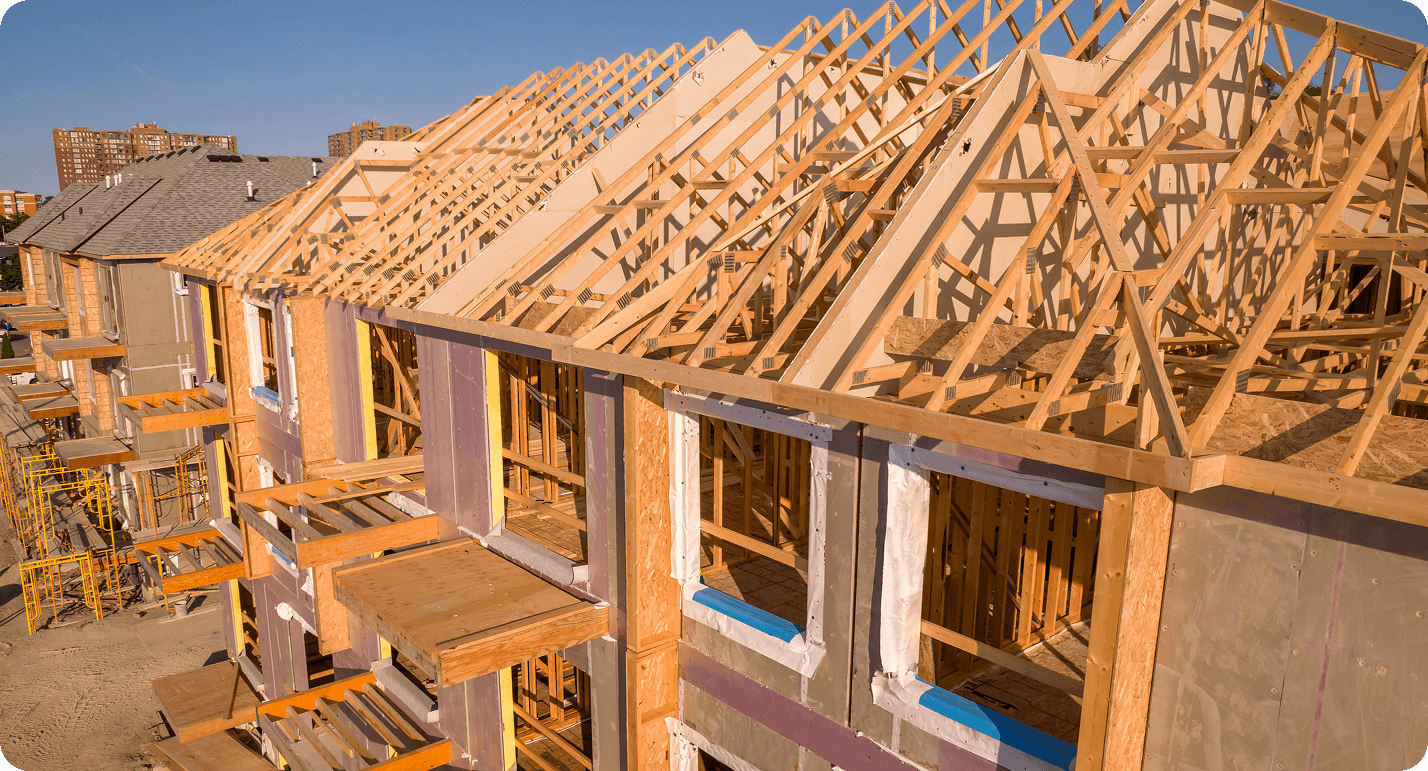
More units help, but supply alone does not keep housing affordable. National multifamily supply is set to rise through 2027, which pushes rents down. Units stay within reach when teams run them well. Strong operations, clean compliance, and faster move-ins are what protect affordability after construction ends.
Key takeaways
National multifamily supply is projected to rise through 2027, keeping downward pressure on rents.
More units alone do not create lasting affordability without strong operations and reliable compliance.
Slow paperwork keeps units empty and delays move-ins, which works against affordability.
New construction improves affordability once, while skilled operations and good teams protect it every day after.
Software that handles compliance and surfaces issues early helps keep units within reach of the people who need them.
Good news for multifamily: national supply is projected to rise through 2027. After 18 months of rent corrections, more units mean continued downward pressure on rents. That is a win for affordability.
But more units alone do not create sustainable affordability. Without strong operations, reliable compliance, and engaged teams, even rent-restricted units can fall back out of reach.
Why New Supply Is Only Half the Story
New construction matters, but it is only the first step. To make housing truly accessible, existing and new units alike must be well-managed, compliant, and efficiently operated. Otherwise, units sit vacant, paperwork slows move-ins, and opportunities to serve residents are lost.
Technology as the Quiet Hero
This is where technology plays a critical role. The right systems help operators manage properties efficiently, protect affordability, and serve residents faster:
- Streamlines compliance and documentation: Units do not sit empty waiting on paperwork
- Accelerates move-ins: Residents gain access to housing faster
- Surfaces insights early: Operators can address issues before they grow
New construction can improve affordability once. Technology, paired with skilled teams, keeps units affordable every day after that.
Building Smarter, Not Just More
The future of housing is not just about building more apartments, it’s about building smarter operations that preserve affordability, reduce risk, and empower operators. At Fortress OS, we provide tools that make compliance, workflows, and reporting simple and reliable. By supporting property teams, we help ensure that affordable housing stays accessible for those who need it most.
· Founder & CEO
Scaled a Nashville affordable housing operation, couldn't find a system built for it, so she built one.
Frequently asked questions
Quick answers to what people ask about this topic. Still curious? Talk to our team.
Contact UsWill more apartments make housing affordable?
More apartments help, but they do not guarantee affordability on their own. National supply is projected to rise through 2027, which puts downward pressure on rents. Affordability lasts when units are well managed, compliant, and filled fast. Without strong operations, even rent-restricted units can fall back out of reach.
Why is new supply only half the story for affordable housing?
New construction is the first step, but it is not the whole answer. Units only stay accessible when they are well managed, compliant, and efficiently run. Otherwise units sit vacant, paperwork slows move-ins, and chances to serve residents are lost. Good operations turn new buildings into lasting affordable homes.
How does technology help keep apartments affordable?
The right systems help operators manage properties well, protect affordability, and serve residents faster. They handle compliance and documentation so units do not sit empty waiting on paperwork. They speed up move-ins so residents gain access sooner. They also surface issues early so operators can act before problems grow.
Does building more apartments lower rent?
Rising supply tends to push rents down. National multifamily supply is projected to rise through 2027, and after 18 months of rent corrections, more units mean continued downward pressure on rents. That is a win for affordability, but keeping rents within reach long term still depends on how well the units are operated.
What slows down move-ins in affordable housing?
Paperwork and compliance bottlenecks are the main culprits. When documentation lags, units sit empty waiting on files instead of housing residents. Systems that handle compliance and documentation keep units from sitting vacant and help residents gain access to housing faster, which protects both occupancy and affordability.
What keeps affordable units affordable after they are built?
Strong operations keep units affordable after construction ends. New construction can improve affordability once, but technology paired with skilled teams keeps units affordable every day after that. Reliable compliance, efficient workflows, and clear reporting reduce risk and prevent the slowdowns that push rent-restricted units back out of reach.
Related resources
Affordable Housing Compliance Guide: LIHTC, HUD, USDA and HOTMA
Affordable housing compliance explained: LIHTC, HUD, Section 8, USDA RD and HOTMA dates, what a file review checks, and...
Fortress Compliance
Where eligibility and certification work actually happens.
What's Hot With HOTMA: Key Points for 2027
HOTMA hits HUD Multifamily and most PHAs Jan 1, 2027. See the 2027 asset limit, deductions, new interim rules, and...
What Is LIHTC Property Management Software? A Compliance Reality Check
LIHTC property management software handles income certifications, utility allowances, and file reviews. Why...
How Section 8 Rent Is Calculated: A Math Guide for Operators
Section 8 rent comes from Total Tenant Payment, the highest of four tests, then HAP is gross rent minus TTP. Check your...
Affordable housing property management software
Compliance, leasing, files, and reporting in one system.
