
 Sign in to Fortress OS
Part of Affordable housing property management software
What Is Affordable Housing Property Management Software?
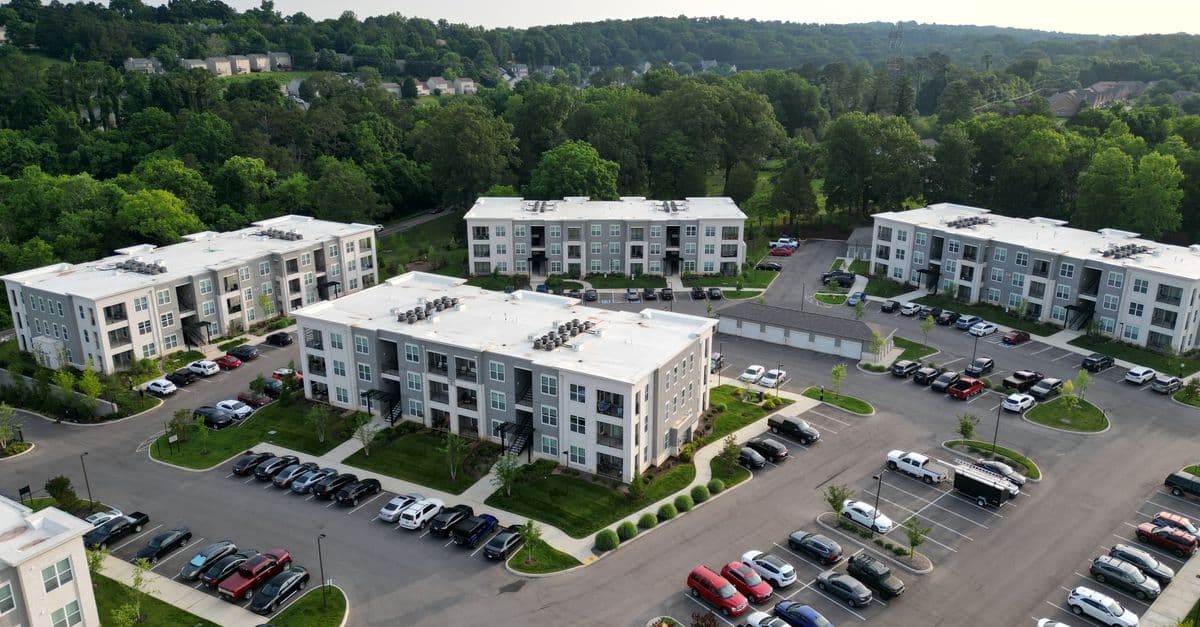
Affordable housing property management software manages income-restricted housing programs like LIHTC, HUD Section 8, USDA Rural Development, and HOME. It handles income certification, annual recertification, compliance tracking, regulatory reporting, and document retention, the work generic property management platforms cannot do without spreadsheets and custom workarounds bolted on the side.
Key takeaways
Affordable housing generally means a household pays no more than 30% of gross income toward housing costs, including utilities.
LIHTC properties carry a minimum 15-year compliance period, and the extended-use period pushes the real commitment to at least 30 years under IRC Section 42.
Generic property management software can list units and collect rent, but it was never built to verify income or run a recertification file.
A single property can run more than one compliance clock at once when funding sources are layered, like LIHTC plus Section 8 plus RD.
Getting compliance wrong is not just paperwork pain. LIHTC noncompliance can trigger credit recapture from the IRS.
Affordable housing property management software manages income-restricted housing programs like LIHTC, HUD Section 8, USDA Rural Development, and HOME. It handles income certification, annual recertification, compliance tracking, regulatory reporting, and document retention, the work generic property management platforms cannot do without spreadsheets and custom workarounds bolted on the side.
What Is Affordable Housing Property Management Software?
Affordable housing property management software is built to run income-restricted housing programs like LIHTC, HUD Section 8, USDA Rural Development, and HOME. It handles income certification, annual recertification, compliance tracking, regulatory reporting, and document management. That is work a standard property management platform cannot do without custom workarounds and a pile of spreadsheets.
I think of it less as "property management with extra fields" and more as a compliance system that also happens to manage the property. The rent roll matters. But the income file behind each resident matters more, because that file is what an auditor pulls first.
Most affordable operators didn't choose this category out of preference. They chose it because a generic tool left them building the missing pieces themselves. You can learn more about what a purpose-built platform covers on our affordable housing property management software page.
What Does Affordable Housing Software Actually Manage?
It manages the eligibility and compliance layer that sits underneath every lease. That means verifying a household's income, calculating rent against program limits, and keeping a file ready for review at any time.
The core jobs look like this:
- Income certification. Verifying income and assets at move-in with third-party sources, not a resident's word alone.
- Annual recertification. Running the same verification again every year, on a set notice schedule.
- Rent and subsidy math. Applying the correct formula for the program, whether that's the applicable fraction under LIHTC or the total tenant payment calculation under Section 8.
- Utility allowance tracking. Keeping the allowance schedule current, since it feeds directly into gross rent.
- Regulatory reporting. Submitting the right file format to the right agency, like TRACS for HUD or MINC for USDA Rural Development.
- Record retention. Storing the paperwork long enough, and in a format an auditor can actually find.
Generic software handles leasing, rent collection, maintenance, and resident portals well. What it does not handle is the certification and recertification workflow underneath. Affordable housing operators end up filling that gap with side spreadsheets, and side spreadsheets are exactly where compliance errors hide. If you want to see how this fits into a broader platform, our leasing solution shows how certification connects to the application itself instead of living in a separate file.
How Is It Different From Regular Property Management Software?
The difference is what the software assumes is normal. Regular property management software assumes market-rate rent, and treats income verification as an edge case if it's supported at all. Affordable housing software assumes income verification is the default and builds the whole workflow around it.
Take the 30% rule. Affordable housing generally means a household pays no more than 30% of its gross income toward housing costs, utilities included. A conventional platform has no reason to calculate that number. An affordable housing platform calculates it constantly, because it drives what rent a household can legally be charged.
From what I've seen, the gap shows up hardest at recertification time. HUD's annual recert process runs on a fixed notice sequence, a first reminder, a second, and a third, each due a set number of days before the household's anniversary date. Miss that sequence and you risk a late file, a retroactive rent increase, or worse, a termination of assistance. Generic software has no concept of that clock. Affordable housing software is built around it.
What Housing Programs Does This Software Need to Support?
It needs to support the actual programs your properties run, and in real portfolios that's rarely just one. LIHTC is the largest federal affordable housing production program in the country, administered by state housing finance agencies and overseen by the IRS. A LIHTC property carries a compliance period of at least 15 years, and the extended-use period stretches the real commitment to a minimum of 30 years under IRC Section 42.
Section 8 project-based rental assistance runs on its own clock, with annual income recertification required for every household. USDA Rural Development runs a third set of rules entirely, and HOME funding adds a fourth layer on top of any of these.
Here's the part that trips people up. These programs don't always move on the same calendar. HUD Multifamily properties are working toward a HOTMA compliance date of January 1, 2027, while USDA Rural Development already adopted HOTMA on July 1, 2025. LIHTC adoption timing varies state by state. A single layered property, say LIHTC stacked with Section 8 and RD funding, can be running three different compliance timelines at once, on the same building. Software built for this category has to track all three without losing track of which rule applies where. Our glossary breaks down terms like HOTMA, LIHTC, and applicable fraction if you want the plain-language version of each.
Who Actually Needs Affordable Housing Compliance Software?
Anyone managing income-restricted units needs it, full stop. That includes LIHTC developments, HUD Section 8 project-based properties, USDA Rural Development portfolios, HOME-funded communities, and any mixed-income property with even a handful of restricted units sitting next to market-rate ones.
It also includes state housing finance agency staff and compliance teams who review files rather than manage properties day to day. If your job involves confirming a household's income against a program limit, this category of software is built for you.
I've watched operators try to run a 200-unit LIHTC property on a market-rate platform with a compliance spreadsheet taped on the side. It works, technically, right up until a state monitoring visit finds an expired verification or a missed recert notice. Purpose-built compliance tools exist because that gap is expensive. Our Fortress Compliance product was built specifically to close it.
Who Does Not Need This Software?
Small conventional portfolios with no income-restricted units do not need it. If every unit you manage is market-rate, with no LIHTC, no Section 8, no RD, and no HOME funding anywhere in the mix, a generic property management platform will serve you fine and probably cost less.
The line is really about the income file, not the size of the portfolio. A 40-unit market-rate building has no recertification burden at all. A 40-unit LIHTC building has one for every household, every year, forever, or at least for the life of the compliance period. That difference in workload is the whole reason this software category exists.
If you're not sure which side of that line you're on, ask a simpler question. Does any unit in your portfolio have an income limit attached to it. If the answer is no, keep your current setup. If the answer is yes for even one unit, you're already carrying compliance risk a generic tool was never designed to catch.
What Happens When You Get This Wrong?
The consequences aren't abstract. LIHTC noncompliance can trigger credit recapture, meaning the IRS can claw back tax credits already claimed on the property. That's not a fine you pay and move on from. It can unwind financing that took years to put together.
Smaller failures compound too. An expired income verification, a missed recert notice, a stale utility allowance schedule, any one of these can send a file back during a review and start the clock over. None of them are dramatic on their own. Stacked across a portfolio of a few hundred units, they turn into a full-time job just cleaning up paperwork.
What I've noticed is that the operators who get burned aren't usually careless. They're stretched thin, running compliance out of a spreadsheet because their software never gave them a better option. That's the actual problem this software category solves. Not convenience. Risk.
Related Resources
- Affordable Housing Property Management Software
- How to Choose Affordable Housing PMS in 2026
- Fortress Compliance
- Leasing Solution
- Glossary
Curious how a purpose-built platform handles all of this in one place? See what affordable housing software looks like on the Fortress OS affordable housing page.
Built by operators, for operators. Posts under this byline are written and reviewed by the team.
Frequently asked questions
Quick answers to what people ask about this topic. Still curious? Talk to our team.
Contact UsWhat does affordable housing property management software do that regular software doesn't?
It verifies household income, runs annual recertifications on a fixed notice schedule, calculates rent against program limits, and produces the reports agencies require. Regular property management software handles leasing and rent collection but has no built-in way to run any of that.
Does affordable housing software replace generic property management software?
Not exactly. It usually replaces it, since a purpose-built platform still needs to handle leasing, maintenance, and resident communication alongside compliance. The difference is the compliance layer is built in from the start instead of added later.
What programs count as affordable housing?
LIHTC, HUD Section 8 (including project-based rental assistance), USDA Rural Development, and HOME-funded housing are the major programs. Many properties combine more than one funding source on the same building.
What is HOTMA and why does it matter?
HOTMA is a set of federal rule changes affecting income and asset calculations for HUD and USDA programs. USDA Rural Development adopted it on July 1, 2025. HUD Multifamily properties are working toward a compliance date of January 1, 2027. LIHTC adoption timing depends on the state housing finance agency.
Do small landlords need affordable housing software?
Only if they manage income-restricted units. A landlord with a handful of market-rate rentals and no LIHTC or Section 8 units has no recertification burden and doesn't need this category of software.
What happens if a LIHTC property fails compliance?
Noncompliance can trigger recapture of tax credits already claimed on the property. That risk is a major reason LIHTC owners treat compliance tracking as core operations, not an afterthought.
How is rent calculated differently in affordable housing?
Affordable housing generally caps a household's cost at 30% of gross income, including utilities. Section 8 uses a total tenant payment formula. LIHTC uses program income limits tied to the applicable fraction. Neither calculation exists in a standard market-rate leasing tool.
Related resources
Affordable Housing Property Management Software
See what a purpose-built platform covers across LIHTC, HUD, RD, and HOME properties.
Fortress Compliance
Built to close the gap generic property management software leaves in income certification.
Leasing Solution
Shows how certification connects to the application itself instead of living in a separate file.
Related resources
How Can Fortress Help Manage Your Affordable Housing Units?
Save time managing affordable housing units with property management software Fortress.
Affordable Housing Software vs Standard PM Platforms: What LIHTC Compliance Demands
LIHTC software tracks income limits, utility allowances, and certification deadlines that standard platforms never...
What Makes Affordable Housing Software Actually Useful?
One reported raise can need three different answers in a layered affordable housing file. Here is how HUD, USDA Rural...
Affordable Housing Compliance Guide: LIHTC, HUD, USDA and HOTMA
Affordable housing compliance explained: LIHTC, HUD, Section 8, USDA RD and HOTMA dates, what a file review checks, and...
