
 Sign in to Fortress OS
Part of Top Property Management Software Companies Compared by Use Case
You Can’t Scale Property Management on Disconnected Systems
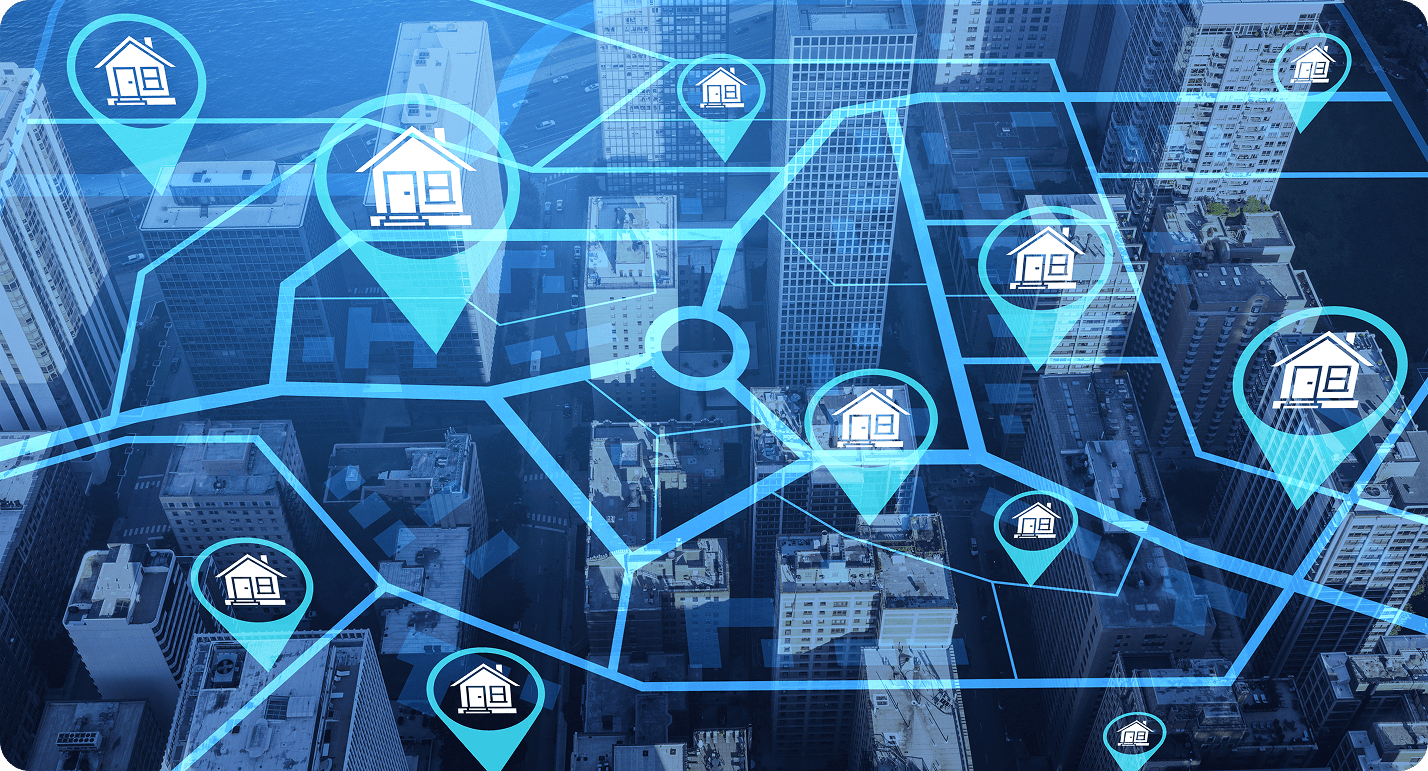
No. When leases live in one tool, work orders in another, and reports need three exports to read, growth just adds chaos. To scale property management, put your whole portfolio in one connected system. Centralized operations give teams real-time visibility, fewer manual steps, and one place to act.
Key takeaways
Disconnected systems slow you down not because of the work itself, but because nothing talks to each other.
Centralization lets teams view and manage the whole portfolio from one place instead of property by property.
A portfolio-wide view turns reactive renewal scrambles into planned, proactive lease management.
Real-time reporting means no waiting on manual exports or the one person who owns the spreadsheet.
Centralized operations help teams take on more properties without adding on-site headcount for every new one.
Managing a growing property portfolio should create momentum, not more complexity.
But for many teams, growth introduces friction. Each new property adds more systems, more processes, and more places where information lives. What starts as manageable quickly becomes fragmented.
Leases are tracked in one place, work orders in another, and reporting often requires pulling data from multiple sources just to get a clear picture. Instead of moving faster, teams spend more time navigating their own operations.
This isn’t a workflow issue. It’s a visibility issue.
Where Operations Start to Break Down
Most inefficiencies in property management aren’t caused by the work itself. They come from how that work is structured.
When teams have to move between properties to check availability, manually track expiring leases, or run reports one property at a time, small delays start to add up. Over time, those delays turn into missed opportunities, reactive decisions, and unnecessary operational strain.
Even high-performing teams feel this pressure. The more a portfolio grows, the harder it becomes to maintain consistency without the right systems in place.
Centralization Creates Clarity
Centralization changes how property management operates by bringing everything into one connected environment.
Instead of working property by property, teams can view and manage their entire portfolio from a single place. Key workflows like compliance, unit availability, work orders, and expiring leases are no longer siloed. They’re accessible, consistent, and easy to act on.
This shift removes the need to piece together information. Teams can see what’s happening across their portfolio in real time and make decisions with confidence.
From Reactive to Proactive
When operations are centralized, teams spend less time chasing information and more time acting on it.
Expiring leases are a good example. Without a centralized view, it’s easy for renewals to slip through the cracks or require last-minute follow-up. With a portfolio-wide view, teams can track upcoming expirations, generate renewal offers, and manage timelines in a more structured, proactive way.
The same applies to reporting. Instead of running reports across multiple properties and manually compiling results, centralized reporting allows teams to generate and distribute portfolio-level insights in a single workflow.
That consistency makes it easier to stay aligned, reduce manual effort, and ensure stakeholders always have access to the same data.
Efficiency Without Adding Headcount
One of the biggest advantages of centralization is the ability to operate more efficiently without relying on additional on-site resources.
When teams can manage workflows remotely and access real-time data from anywhere, they’re no longer limited by location. This creates more flexibility in how teams are structured and allows organizations to scale without adding unnecessary overhead.
It’s not just about saving time. It’s about using time more effectively.
A Stronger Foundation for Growth
As portfolios grow, operational complexity usually grows with them. Without the right systems, that complexity can slow teams down and introduce more risk.
Centralization provides a more stable foundation. It allows teams to maintain consistency, improve visibility, and scale their operations without constantly adjusting how they work.
Instead of adding more processes, teams can rely on a system that keeps everything connected.
Built for the Way Property Teams Actually Work
This is exactly the problem Fortress OS was built to solve.
Centralization isn’t treated as a feature, it’s built into the foundation of the platform. From portfolio-level dashboards to centralized expiring lease management to reporting and automation, Fortress OS gives teams a single place to manage their operations without jumping between systems.
Teams can monitor performance across properties, generate reports at the portfolio level, automate recurring workflows, and manage key tasks without losing context.
The result is less time spent navigating systems and more time spent actually managing properties.
Why It Matters
Better operations lead to better outcomes.
When teams have clear visibility, streamlined workflows, and fewer manual processes, they can respond faster, reduce errors, and create a more consistent experience across every property.
At Fortress OS, we believe property management works better when everything is connected. By centralizing operations into one platform, teams can simplify complexity, scale with confidence, and focus on what actually moves their business forward.
Built by operators, for operators. Posts under this byline are written and reviewed by the team.
Frequently asked questions
Quick answers to what people ask about this topic. Still curious? Talk to our team.
Contact UsWhy can't you scale property management on disconnected systems?
Because every new property adds more tools, more logins, and more places where data hides. When leases, work orders, and reports live in separate systems, teams spend time hunting for information instead of acting on it. Small delays pile up into missed renewals and reactive decisions. Centralizing operations into one connected platform removes that drag so growth creates momentum, not more complexity.
What does centralized property management software actually do?
Centralized property management software brings leasing, compliance, maintenance, documents, communication, and reporting into one connected system. Instead of working property by property, teams view and manage their entire portfolio from a single place. Fortress OS lets teams monitor performance across properties, track expiring leases, generate portfolio-level reports, and automate recurring workflows without jumping between systems.
How does centralization help with expiring leases?
Without a portfolio-wide view, renewals slip through the cracks and turn into last-minute follow-up. With centralized lease management, teams can see upcoming expirations across every property, generate renewal offers, and manage timelines in a structured way. That shifts renewals from reactive scrambles to a planned, proactive workflow you control.
Can you scale a property portfolio without adding headcount?
Yes. When teams manage workflows remotely and access real-time data from anywhere, they are no longer tied to a single location. That flexibility lets organizations take on more properties without adding on-site staff for each one. Centralized operations help teams use their time more effectively instead of just adding more people to keep up.
What is portfolio-level reporting and why does it matter?
Portfolio-level reporting lets teams generate and share insights across every property in one workflow instead of running reports property by property and stitching results together by hand. It keeps stakeholders aligned on the same data, cuts manual effort, and removes the spreadsheet gymnastics. Real-time reporting helps teams see current leasing, compliance, and operational data without waiting on manual exports.
Is all-in-one property management software really all-in-one if I still use spreadsheets?
No. If your team keeps side spreadsheets for waitlists, work orders, rent rolls, or reports, the software is not centralizing operations. It is standing near the problem with a clipboard. True centralization means core workflows live in one system, so teams stop piecing information together and start acting on it in real time.
Related resources
Fortress Core Platform
See how one connected platform centralizes leasing, maintenance, reporting, and more in real time.
Real-Time Accounting And Reporting
Generate portfolio-level reports in one workflow instead of exporting property by property.
Integration-First Connections
Connect the tools your team already uses so your data stops living on islands.
Related resources
Top Property Management Software Companies Compared by Use Case
Compare top property management software companies by use case, portfolio size, and compliance needs, and find the...
Property Management System Automation: What You Can and Cannot Automate
A property management system runs rent, leases, and work orders. Here is which property management automation tasks pay...
New Year, New Property Management Software: Top Reasons to Switch
Our technology was built with only one thing in mind — you. We created property management software to make the lives...
Property Management Best Practices
Taking a strategic and service-oriented approach is essential for success in the property management industry. Here are...
Compare Fortress OS
Side-by-side comparisons with the platforms you are weighing.
