
 Sign in to Fortress OS
Part of Maintenance software
How To Reduce Energy In Your Multi-Family Properties
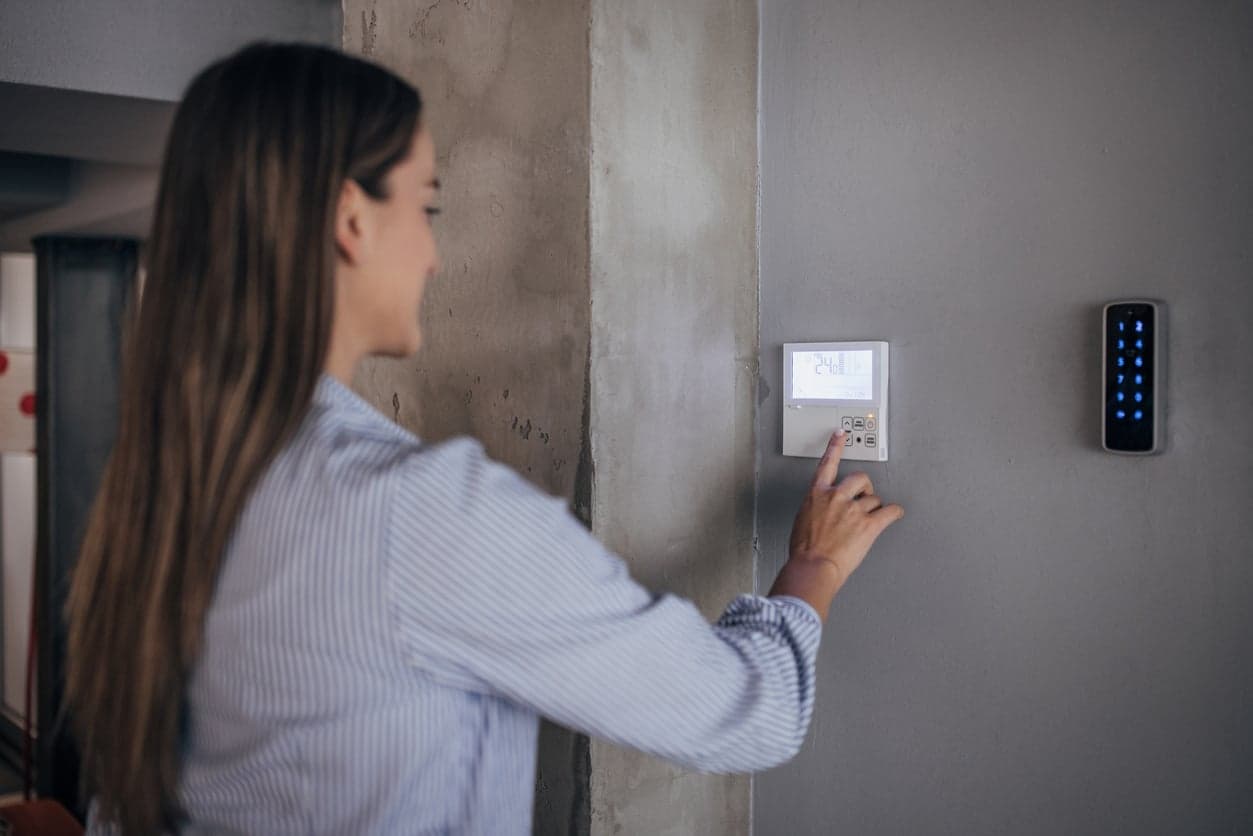
Start with an energy audit to find your baseline before spending on upgrades. Then make cheap wins count: LED bulbs, occupancy sensors, hot water schedules. Keep your HVAC ahead of failures. And bring residents into the effort so saving energy becomes a habit, not a surprise on their bill.
Key takeaways
Run an energy audit first so you know your baseline before you spend a dollar on upgrades.
Cheap wins add up fast: LED bulbs, occupancy sensors, and hot water schedules cut waste right away.
Proactive HVAC maintenance beats waiting for a part to fail and burn extra energy.
Keep residents in the loop through text and portal updates so energy savings become a shared effort.
A central hub like Fortress ties audits, work orders, and resident messages into one dashboard.
In the affordable housing space, there’s a lot of talk about improving ROI by reducing energy. But in this article, we’re not going to ramble about the importance of managing your investments, or even the need to please your residents and save the planet (though all important causes, of course).
Instead, we’re going to offer four quick actionable tips for energy saving and show you how you can use a core hub solution to make the process of implementing them easier… Let’s dive straight in.
- Conduct an energy audit
To determine where you can save energy, work out your baseline consumption by looking at your bills and comparing to industry standards on sites such as ENERGY STAR’s Portfolio Manager.
You can identify obvious places where your properties may be losing energy yourself (such as drafty windows and, you know, holes in the walls). However, it’s important to be aware that many multi-family properties lose energy in areas that aren’t immediately obvious. You can find these out by using a professional body so it’s worth investing. Some energy companies even offer free audits.
- Implement upgrades
There are some easy changes that you can make to your properties right away that won’t break the bank, but will improve energy efficiency. Take a look into:
- Energy-efficient LED bulbs or retrofit kits
- Occupancy sensors that sync to turn energy or lighting off when residents are not home
- Hot water controls that set temperature schedules
-
Optimize maintenance processes
An effective maintenance process can prevent infrastructure issues before they become costly or consume a lot of energy. For example, by proactively looking and cleaning at your HVAC system rather than waiting for a component to wear down, you can ensure it operates at peak performance.
To manage maintenance, it’s a good idea to use a centralized property management tool (such as Fortress) that provides an instant overview of work order software. In one dashboard, you can see up to date property information, create work orders, and update residents of ongoing maintenance concerns.
-
Educate residents
If your residents don’t know about energy saving schemes, it’s pretty difficult for them to get involved. This can lead to increased bills and unnecessary waste.
Use your property management operating system to keep residents in the loop about important updates and initiatives. For example, you could send out a text with a link to explain how residents can adjust their thermostat settings. These messages can foster a sense of community and create an energy-efficient culture.
Fortress makes regularly updating residents easy with SMS texting right from the main dashboard. Get in touch to find out more about our core property management operating system.
Built by operators, for operators. Posts under this byline are written and reviewed by the team.
Frequently asked questions
Quick answers to what people ask about this topic. Still curious? Talk to our team.
Contact UsHow do I start reducing energy in a multi-family property?
Start with an energy audit. Pull your utility bills and compare them to industry benchmarks using tools like ENERGY STAR Portfolio Manager. That comparison shows you your baseline and where the waste is. You can spot obvious issues like drafty windows on your own, but many properties lose energy in places you cannot see, so a professional audit is worth it. Some utility companies even offer them for free.
What are the cheapest energy upgrades for apartment buildings?
The cheapest upgrades with real payoff are LED bulbs or retrofit kits in common areas, occupancy sensors that shut off lighting when no one is around, and hot water controls that set temperature schedules. These are low-cost, quick to install, and start cutting waste right away. You do not need a big renovation budget to see results.
How does maintenance affect energy use in multi-family properties?
A solid maintenance process stops small issues before they drain energy and get expensive. HVAC is the biggest example. Cleaning coils, replacing filters, and catching worn parts on a schedule keeps the system running at full efficiency. Waiting for something to break means the system works harder and costs more before the fix ever happens. A centralized property management tool helps by giving you one place to create work orders, track progress, and flag issues before they grow.
How can I get residents to save energy?
Residents cannot join energy-saving efforts they do not know about. Use your property management platform to send a quick text with a link explaining how to adjust thermostat settings, or post an update in the resident portal. Short, practical messages work better than long newsletters. When residents feel informed, they act on it, and that shared habit cuts waste across the whole property.
What is an energy audit for a multi-family property?
An energy audit shows you where your property is losing energy and how your consumption compares to industry standards. You pull your bills and run them through a tool like ENERGY STAR Portfolio Manager to set a baseline. A professional auditor goes further, finding hidden losses behind walls, in mechanical rooms, and through aging equipment. Many utility companies offer audits at no charge, so it is worth asking before hiring someone.
Can property management software help reduce energy costs?
Yes. A centralized platform like Fortress gives you one dashboard to manage the work that drives energy savings. You can track property data, create and close maintenance work orders so HVAC and other systems stay efficient, and send residents direct messages about energy initiatives. Fortress includes SMS texting built into the main dashboard, so resident updates do not require a separate tool or extra login.
Related resources
Maintenance & Work Orders
Track HVAC checks and work orders in one place so small issues never get costly.
Fortress Core Platform
One central hub for property data, work orders, and resident messages on a single dashboard.
Resident Websites & Portals
Keep residents in the loop on energy initiatives with updates they actually see.
Related resources
Apartment Maintenance Software: Features That Actually Reduce Work Orders
Learn what to look for in apartment maintenance software, including features that improve workflows, reduce delays, and...
How to Improve Work Order Satisfaction with Automated Property Management Software
Fortress limits the burden of work orders on property managers while enhancing the tenant experience and simplifying...
How to Optimize Your Property Management Work Order Process
Properly managing and tracking work orders can help you save money and increase efficiency, we'll outline some best...
Resident portal
Payments, requests, and notices in one resident login.
